Cozumel Set the Bar High
Some places give you good dives. Cozumel gave me a new standard.
That is the difference.
I expected the water to be beautiful. I expected the reefs to be good. I expected the diving to be worth the trip because Cozumel has that kind of reputation. What I did not fully expect was how well the whole thing would fit together: the blue water, the drift, the reef walls, the morning dive rhythm, and the ability to still have the rest of the day open for family time.
That combination is what stuck with me.
Cozumel was not just a place where I logged dives. It was the place that made me start asking better questions about every dive trip after it. Is the diving good enough to build a week around? Does the schedule leave room for the people who are not diving? Does the operator make the day easier or more complicated? Does the destination support the way I actually want to travel?
After Cozumel, those questions matter more.
The First Thing That Hits You Is the Blue
The first thing I think about when I think about Cozumel is the water.
Not a specific dive site. Not a specific reef. Not even a specific animal encounter.
The water.
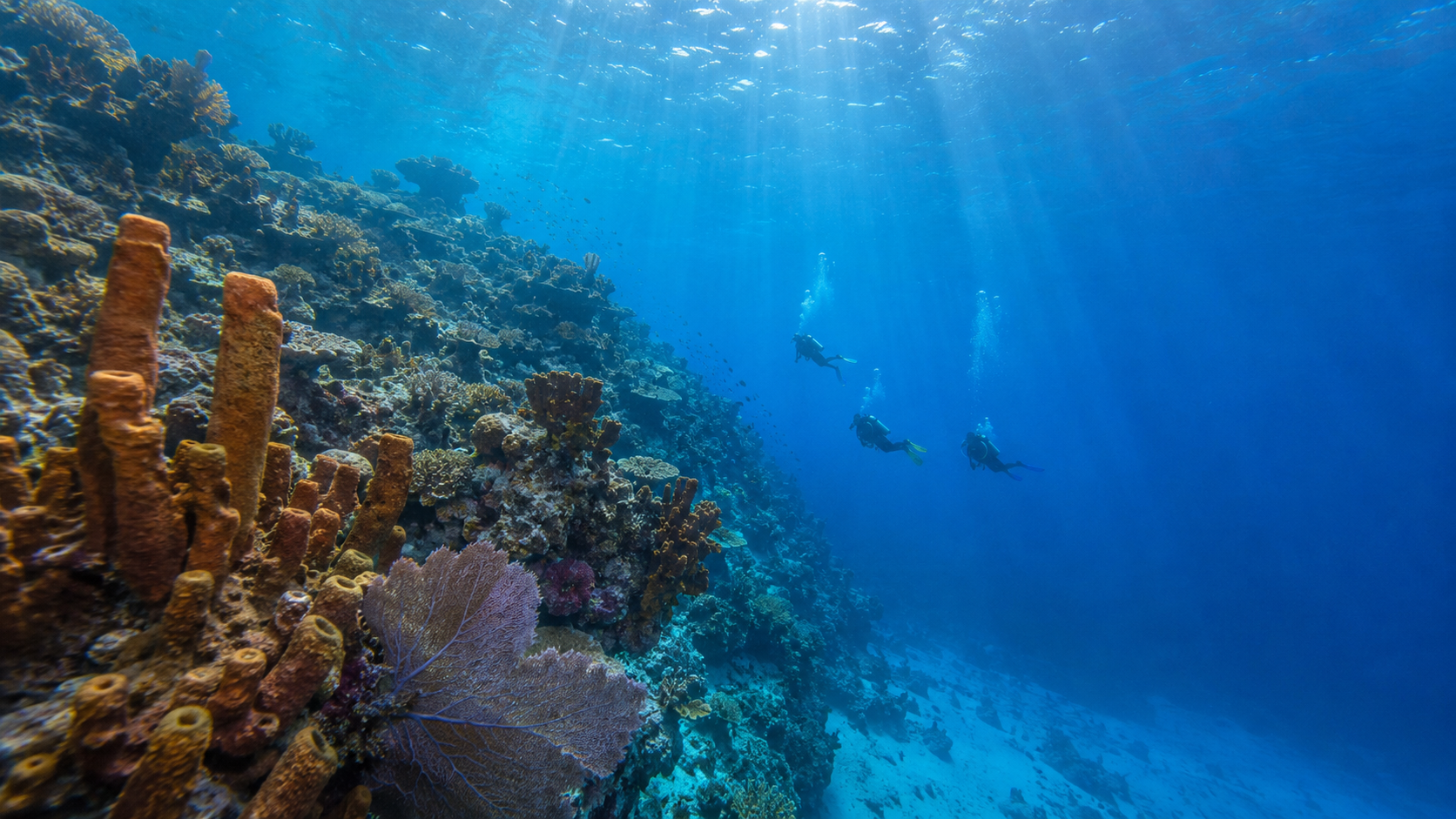
There is something about that shade of blue that changes the mood before you even descend. From the boat, it already feels different. Once you are under it, the whole dive seems to open up. The reef has more room around it. The wall feels bigger. The sunlight feels cleaner. Even your buddy and the guide are easier to track because the visibility gives your brain space to settle down.
That matters more than people sometimes admit.
Clear water does not make you a better diver by itself, but it can make it easier to be a calmer diver. You can see what is happening. You can orient yourself. You can look ahead instead of constantly trying to figure out where the group went or what the site is doing.
For a diver still building experience, that kind of clarity is valuable. It lowers the noise level.
And when the noise drops, the dive gets better.
Drift Diving Changes the Experience
Cozumel also changed the way I think about drift diving.
Before experiencing it, it is easy to think of current as a problem. Sometimes it is. Current deserves respect, and it can absolutely make a dive harder if you are not ready for it. But in Cozumel, when the plan is built around the drift and the group is moving well, the current becomes part of the experience instead of something you are fighting.
That is a different kind of diving.
You are not kicking your way through the whole site trying to make distance. You are settling into the movement of the water. The reef comes to you. The wall slides by. Your job becomes less about powering through the dive and more about holding your position, watching your depth, staying aware of your buddy, and keeping enough space from the reef.
It feels easy when it is going well, but it is not passive. That distinction matters.
Good drift diving still takes attention. You have to manage spacing, buoyancy, depth, camera use, and where the guide is taking the group. If you tune out just because the water is doing some of the work, you can create problems fast.
That is part of what I liked about it. Cozumel rewards calm divers, but it does not reward lazy ones.
The Walls Make Depth Feel Real
A wall dive has a different kind of presence.
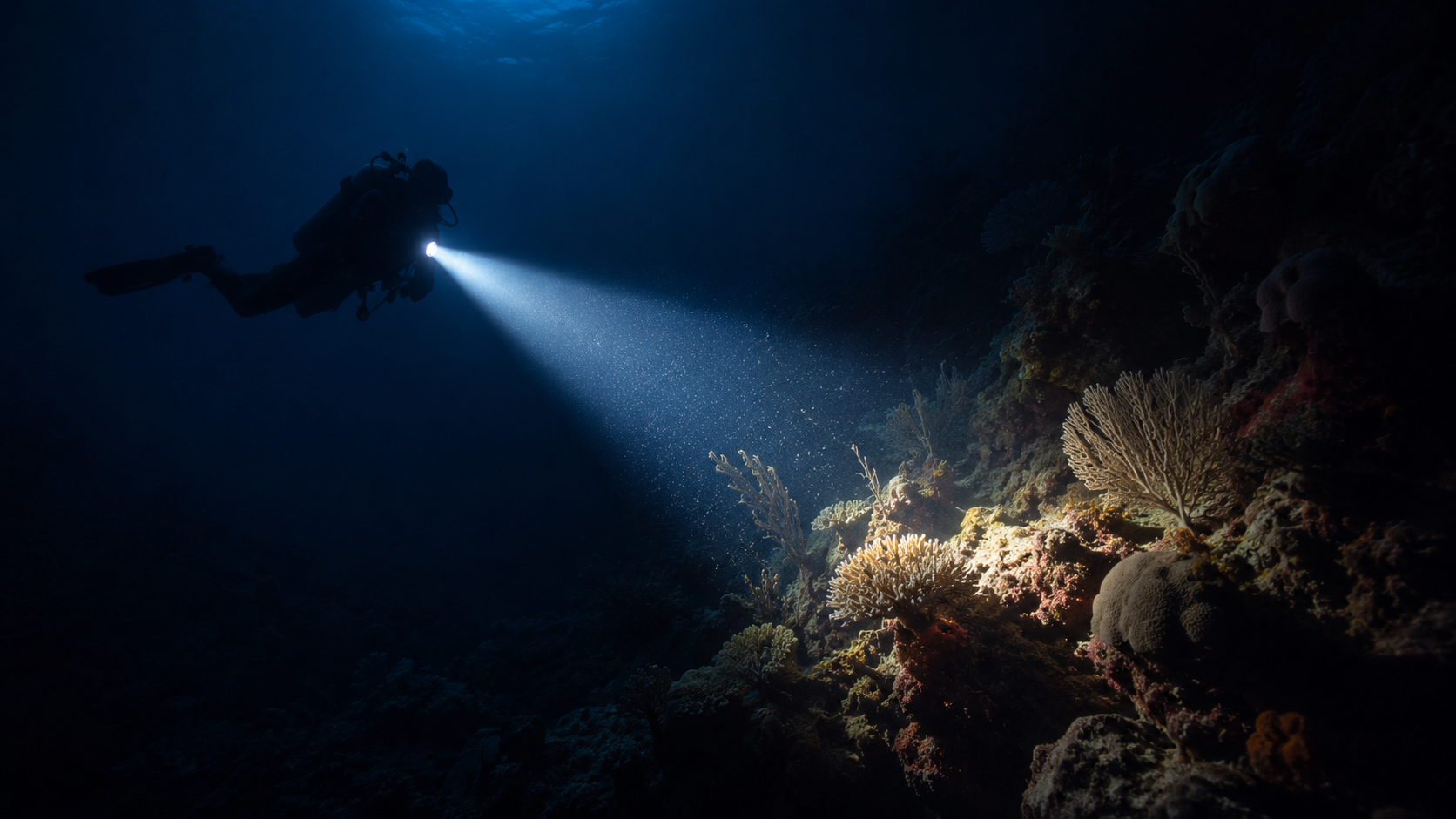
On a reef slope or a shallow coral garden, you can usually see the bottom and understand the space pretty quickly. A wall is different. The reef drops away, the blue opens up beneath you, and suddenly depth feels less like a number on a dive computer and more like something you are physically next to.
That kind of dive makes training feel less theoretical.
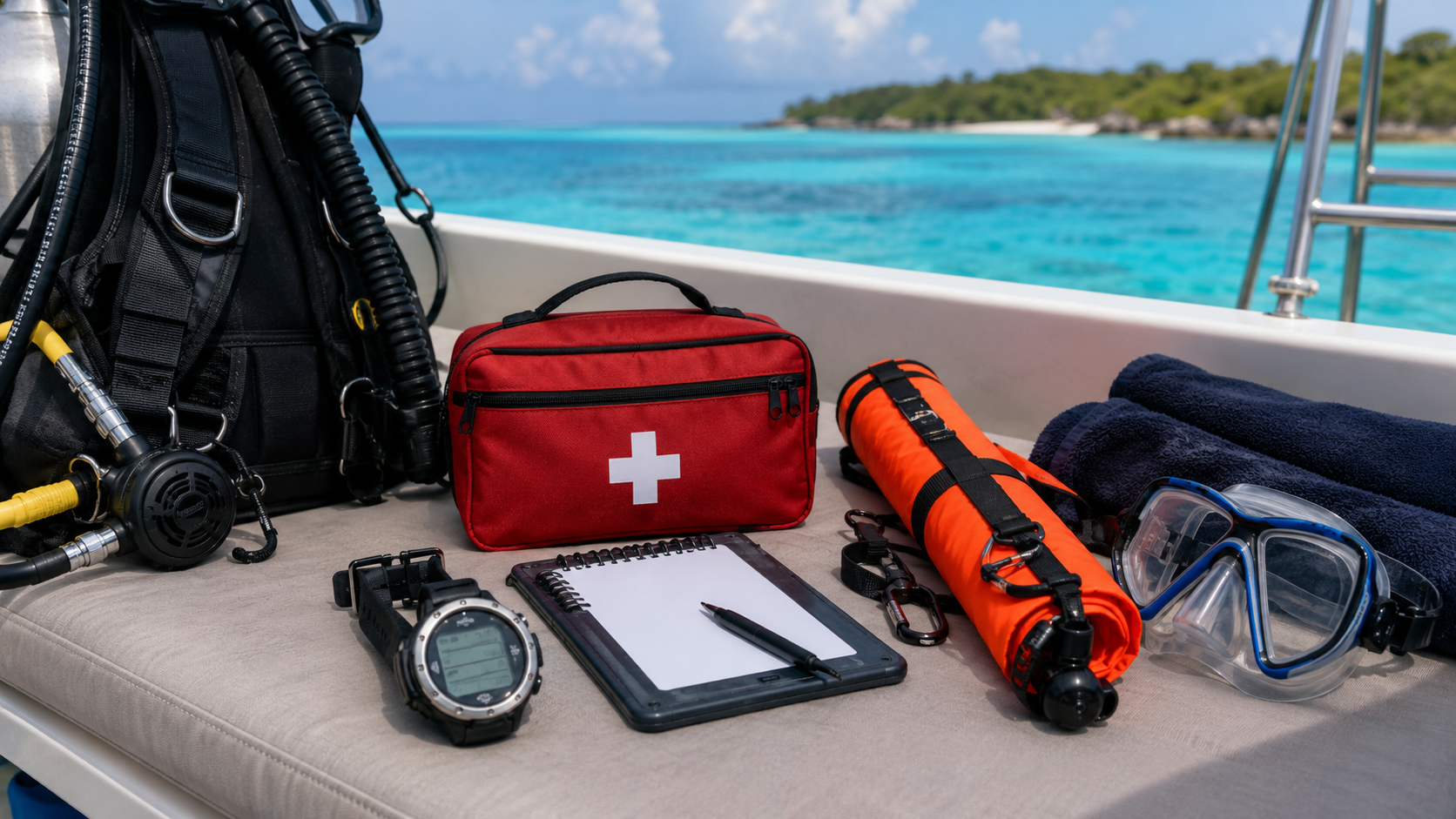
Deep Diving, Nitrox, buoyancy control, current awareness, and gear familiarity all become more relevant when you are moving along a wall. SSI lists specialties like Deep Diving, Enriched Air Nitrox, Perfect Buoyancy, Equipment Techniques, Waves, Tides & Currents, and Wreck Diving as part of its specialty program options, and Cozumel is exactly the kind of place where those skills feel connected instead of separate.
Deep Diving helps you respect the profile. Nitrox helps you think through repetitive dive days. Perfect Buoyancy keeps you from being the diver constantly rising, dropping, or drifting too close to the reef. Waves, Tides & Currents fits the drift environment. Equipment Techniques matters because multi-day diving is easier when your gear feels familiar.
That is one of the things Cozumel did well for me. It made the training feel practical.
Cozumel Makes Buoyancy Matter
Cozumel is not a place where I want to be sloppy.
That is not because the diving has to feel intimidating. It is because the reefs deserve better, and drift diving makes poor control more obvious.
When you are moving along a reef wall, buoyancy is not just about looking smooth. It is about staying in the right part of the water column, keeping your fins away from the reef, avoiding unnecessary movement, and letting the current carry you without becoming a problem for the guide, your buddy, or the environment.
When your buoyancy is working, the dive feels calm. You are not constantly correcting. You are not waving your hands around. You are not dropping toward coral every time you look at something interesting. You can actually watch the site unfold.
That is when Cozumel becomes special.
The reef moves by, the blue stays open around you, and for a while everything feels like it is happening at the right speed.
Nitrox Feels Built for This Kind of Trip
Cozumel is also the kind of destination where Nitrox makes immediate sense.
Not because Nitrox is magic. It is not. It does not make you deeper. It does not remove the need for planning. It does not make a bad dive plan good.
But for repetitive morning dives across multiple days, Nitrox belongs in the conversation. SSI includes Enriched Air Nitrox among its specialty programs, and for a trip built around two-tank mornings, that training feels practical instead of abstract.
A common dive rhythm in places like Cozumel is a deeper first tank, a shallower second tank, then another dive day after that. That is exactly the kind of pattern where gas choice, computer settings, surface intervals, and no-decompression limits become part of the planning.
You still have to analyze your tank. You still have to set your computer correctly. You still have to respect maximum operating depth. You still have to dive the plan.
But in Cozumel, Nitrox does not feel like an extra feature. It feels like part of the normal toolbox.
The Morning Dive Rhythm Works
One of the biggest reasons Cozumel set the bar high has nothing to do with a single dive site.
It is the daily rhythm.
Morning diving just works for the way I like to travel. You get up, get on the boat, do the two-tank dive block, come back around midday, rinse gear, eat, and still have part of the day left. That structure protects the diving without sacrificing the entire vacation to it.
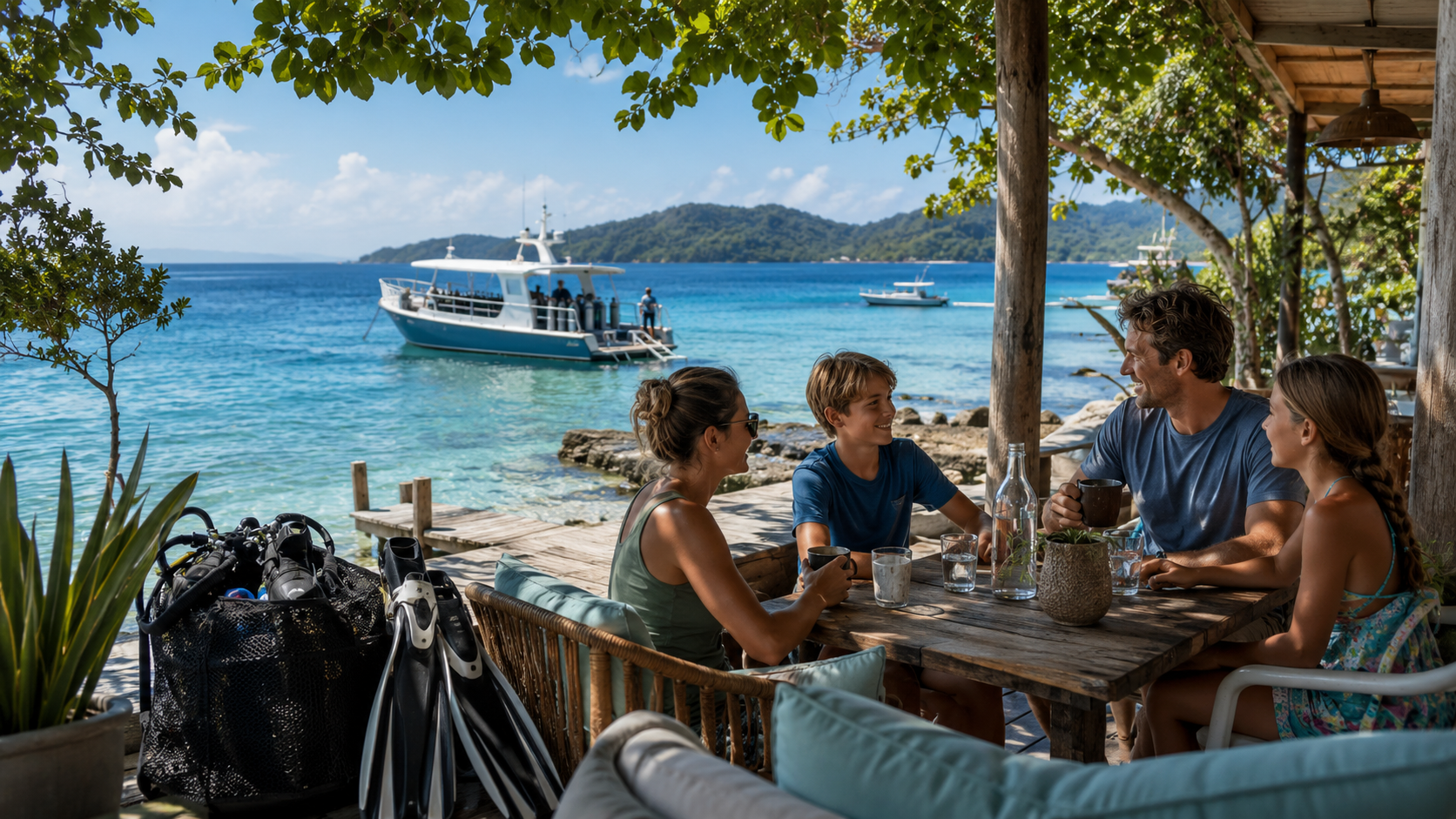
My trip planning logic is already built around that kind of day: morning two-tank dives, shared afternoon activities, and relaxed family time in the evening.
Cozumel fits that model well.
That matters because dive travel is not only about what happens underwater. If every day turns into a logistical mess, the diving can still be good while the trip feels harder than it should. Cozumel gave me the opposite feeling. The diving was the anchor, but the rest of the day still had room to breathe.
That is a big part of why I want to go back.
The Non-Diver Side Matters Too
Cozumel also works because it gives the non-diver side of the trip something to work with.
That matters for me.
Sweets does not scuba, and that changes how I judge a dive destination. I cannot build the entire trip around me getting wet in the morning and then act like everyone else should just figure it out. Her travel profile points toward shaded spaces, relaxed pacing, good food, local shops, cultural or historical sites, guided animal or nature experiences, and avoiding prolonged direct sun.
That kind of preference matters in a warm destination.
A great dive trip with a non-diver companion has to be more than “you wait while I dive.” There needs to be comfort, shade, food, and realistic afternoon options. There needs to be a way for the day to come back together after the boat returns.
Cozumel gives you room to do that.
The dives can happen in the morning. Lunch can become the reset point. The afternoon can be something easy, shaded, interesting, or just relaxed. The evening can still feel like family vacation instead of post-dive recovery only.
That balance is a huge part of the appeal.
The Reefs Feel Alive
Cozumel’s reefs do not all feel the same.
That sounds simple, but it matters during a multi-day trip. If every dive feels like a repeat of the last one, even good diving can start to blur together. Cozumel has enough variety in structure, depth, and mood that the week does not have to feel repetitive.
Some dives feel like walls. Some feel like coral gardens. Some feel like channels. Some feel open and bright. Others feel a little more dramatic because of the drop-off, the way the light changes, or how the current moves across the site.
That gives the week a rhythm.
A first tank can feel bigger, deeper, and more focused. A second tank can feel shallower, brighter, and more relaxed. That kind of pairing makes sense to me. It lets the day build naturally instead of feeling like two disconnected dives.
Start big. Finish smooth.
That is a good way to spend a morning.
The Current Teaches Without Forgiving Sloppiness
Current is one of the things that makes Cozumel feel like Cozumel.
It is also one of the things that keeps you honest.
When the current is working with the plan, it can make the dive feel almost effortless. You settle into the drift, hold position, and watch the reef move past. But that same current will also expose bad habits. Poor buoyancy, bad trim, weak group awareness, loose buddy spacing, and camera distraction all become more obvious when the water is moving.
That is not a reason to avoid it. It is a reason to respect it.
For me, Cozumel was a reminder that comfort in current is not the same as ignoring current. You still have to think. You still have to watch your depth. You still have to track the group. You still have to be ready when the guide changes direction or when the reef shape changes the movement of the water.
It teaches you to relax without checking out.
That is a valuable skill.
Cozumel Makes Camera Choices Matter
Cozumel is exactly the kind of place where I want good footage.
The water is clear. The reef has color and structure. The walls give scale. The drift creates natural movement. On paper, it sounds like an easy place to film.
The catch is that the camera can become a distraction fast.
If I am holding a GoPro, I have to keep reminding myself that the dive comes first. Not the clip. Not the angle. Not the shot I think might look good later. The dive.
That means the camera setup needs to stay simple. It also means I need to be honest about when to film and when to stop. If the current changes, if my buoyancy starts getting busy, if I am drifting too close to the reef, or if I am paying more attention to the screen than to my buddy, it is time to lower the camera.
Cozumel gives you plenty worth filming.
The trick is not letting the filming steal the dive.
It Raised My Standards for Operators
A place like Cozumel also makes the dive operator matter more, not less.
When you are diving multiple days in a row, the shop becomes part of the trip’s rhythm. Pickup time, boat comfort, guide quality, Nitrox availability, site selection, group management, safety culture, and communication all start to matter in a very practical way.
A good operator does more than get you in the water. A good operator helps the week work.
That is something I pay more attention to now. I want to know how they handle current, how they choose sites, how they pair first and second tanks, how they communicate with divers, and whether their schedule supports the rest of the day.
That last part is not minor.
If the dive operation runs smoothly, the rest of the trip gets easier. If it runs chaotically, every day starts to feel like it is fighting the vacation.
Cozumel made me more aware of that.
It Made Me More Selective About Future Trips
Cozumel is dangerous in one specific way.
It spoils you.
Once you get a trip with blue water, drift diving, reef walls, good site variety, a workable morning schedule, and enough non-dive options to keep the rest of the day balanced, it gets harder to settle for a destination that only checks one box.
Now I look at future dive trips differently.
| Question | Why Cozumel Changed It |
|---|---|
| Is the diving good enough for multiple days? | Cozumel made multi-day dive value feel important |
| Are morning dives practical? | The rhythm matters for family travel |
| Is Nitrox available and useful? | Repetitive dive planning matters |
| Are currents manageable and worthwhile? | Drift can improve the experience if handled well |
| Are there non-diver options? | The whole trip has to work |
| Are dive sites varied? | Repetition can flatten a week |
| Does the operator fit the plan? | Logistics shape the vacation |
That is the real effect of a strong destination. It sharpens your standards.
Not in a snobby way. In a practical way.
You start to understand what kind of dive travel actually works for you.
What Cozumel Taught Me
Cozumel taught me that a great dive trip is not one thing.
It is a stack of things done well.
The water matters. The reefs matter. The operator matters. The schedule matters. Gas planning matters. Buoyancy matters. The non-diver side of the trip matters. Lunch matters. Shade matters. The afternoon matters. The evening matters.
That is the part I keep coming back to.
The dives were the reason to go, but the rest of the trip is part of why it worked. When the land side of the day supports the water side, the whole vacation feels better. You are not recovering from the logistics every afternoon. You are just moving into the next part of the day.
That is what Cozumel got right.
It made the diving feel easy to build around.
Would I Go Back?
Yes.
No hesitation.
I would go back to Cozumel with goals, though. Not in a rigid way, but with a better sense of what I would want from the next trip.
I would want more drift comfort. Cleaner buoyancy. Better footage. More intentional site selection. More awareness of how the current affects each dive. Maybe a mix of walls, reefs, and wreck-adjacent dives. Maybe a schedule that keeps the same morning dive rhythm while giving the afternoons even more room for family time.
That is how I know the destination worked.
It does not feel finished.
It feels like a place I could keep learning.
Final Thought
Cozumel set the bar high because it delivered more than pretty dives.
The blue water mattered. The drift mattered. The walls mattered. The reefs mattered. The schedule mattered. The family balance mattered.
It was not just a place to log dives. It was a place that made me think differently about what I want from dive travel.
I want destinations where the diving is worth building the trip around, but not so consuming that the rest of the trip disappears. I want good operators, good rhythm, good water, and enough flexibility to make the week work for everyone traveling.
Cozumel did that.
That is why it stays in my head.
Not just as a dive destination, but as the standard I keep measuring against.